EASTER 2026 DATE HISTORY SIGNIFICANCE: Easter, the most important holiday in Christianity, commemorates the resurrection of Jesus Christ from the dead, an event that forms the foundation of Christian faith. In 2026, Easter Sunday will be observed on April 5, a day of joy and celebration that follows the period of Lent and culminates in the triumph of life over death.
Easter is a movable feast, meaning that its date changes each year. It is celebrated on the first Sunday following the first full moon after the vernal equinox, which typically falls between March 22 and April 25.
Easter 2026: Significance
holds immense significance as it symbolizes the victory of life over death. Christians believe that on this day, Jesus Christ rose from the dead, affirming the promise of eternal life. His resurrection is seen as a triumph over sin and death, and it serves as a cornerstone of Christian theology. Easter is not only a religious observance but also a reminder of hope, renewal, and new beginnings.
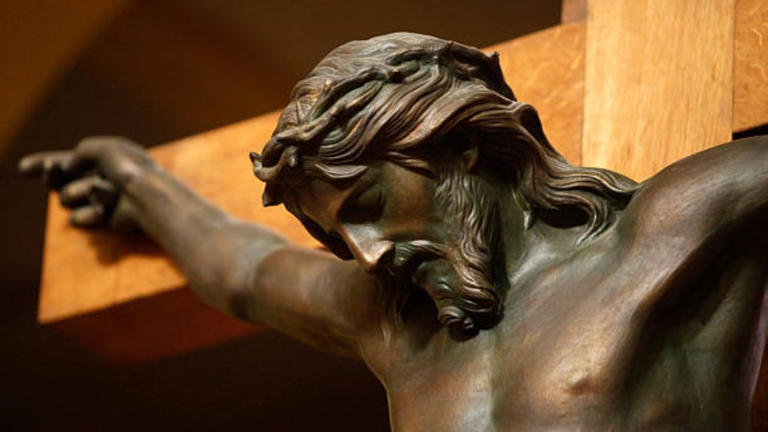
The days leading up to Easter, including Good Friday, Holy Saturday, and the Easter Vigil, represent a period of reflection on Jesus’ crucifixion, death, and burial. The resurrection of Jesus on Easter Sunday is seen as the fulfillment of God’s promises to His people. This day of victory is celebrated with great joy and is the climax of the Christian liturgical calendar.
Easter 2026: History
The history of Easter dates back to the early Christian church. The term “Easter” comes from the Old English word ēastre, the name of a pagan festival celebrating spring, which was later absorbed into Christian tradition. The origins of Easter are rooted in the Jewish festival of Passover, which commemorates the liberation of the Israelites from slavery in Egypt.
According to the Gospels, Jesus was crucified during the Passover festival, and His resurrection occurred three days later, on the Sunday after Passover.
Easter has been celebrated since the earliest days of Christianity, with the first recorded observance of the Resurrection occurring in the 2nd century. Over the centuries, various traditions and customs associated with Easter have emerged, such as the Easter egg, which symbolizes new life, and the Easter Bunny, which is linked to fertility and spring.
Easter Around the World
Easter is celebrated differently around the world, with each country adding its own cultural and religious touches to the observance. Here are some of the unique traditions:
- United States: Easter in the US is often marked by family gatherings, Easter egg hunts, and festive meals. The Easter Bunny is a beloved symbol, with children receiving baskets filled with eggs and candy. Many Americans also attend church services to celebrate the Resurrection.
- Italy: In Italy, Easter is celebrated with grand religious processions and a festive meal. On Easter Sunday, the “Scoppio del Carro” (Explosion of the Cart) is a famous tradition in Florence, where fireworks are used to ensure a good harvest. Traditional foods like lamb, artichokes, and Easter bread are enjoyed.
- Spain: In Spain, Easter is observed with elaborate processions, especially in cities like Seville. Participants dress in traditional robes and carry religious statues through the streets. The week leading up to Easter, known as “Semana Santa” (Holy Week), is filled with cultural and religious activities.
- Greece: Easter is one of the most important holidays in Greece. The celebrations begin on Holy Saturday with the “Midnight Mass,” where the faithful receive the “Holy Light” and share a celebratory meal. On Easter Sunday, lamb is roasted, and “tsoureki” (sweet Easter bread) is enjoyed.
- Germany: In Germany, Easter traditions are deeply rooted in folklore. Many towns decorate trees and homes with colorful Easter eggs, and children take part in egg rolling competitions. The “Osterfeuer” (Easter Bonfire) is another popular tradition, where large bonfires are lit to drive away the winter and celebrate the arrival of spring.
- Australia: In Australia, Easter is celebrated with church services, as well as public events such as the “Sydney Royal Easter Show.” Australians also celebrate with the Easter Bilby, as opposed to the Easter Bunny, as part of a conservation effort for native wildlife.
- Poland: Easter Monday in Poland is celebrated with “Śmigus-Dyngus,” a fun tradition where people splash water on each other, symbolizing the cleansing of sins. It’s a lighthearted way to mark the end of Lent and the arrival of Easter.
- France: In France, Easter is celebrated with large family gatherings and festive meals, often featuring lamb. In some regions, church bells are said to fly to Rome during Holy Week and return on Easter Sunday, bringing chocolate eggs with them for children to find.
- Mexico: In Mexico, Easter is marked by vibrant celebrations, including colorful processions and reenactments of the Passion of Christ. Many people travel to coastal areas for a holiday, combining religious observance with family fun.